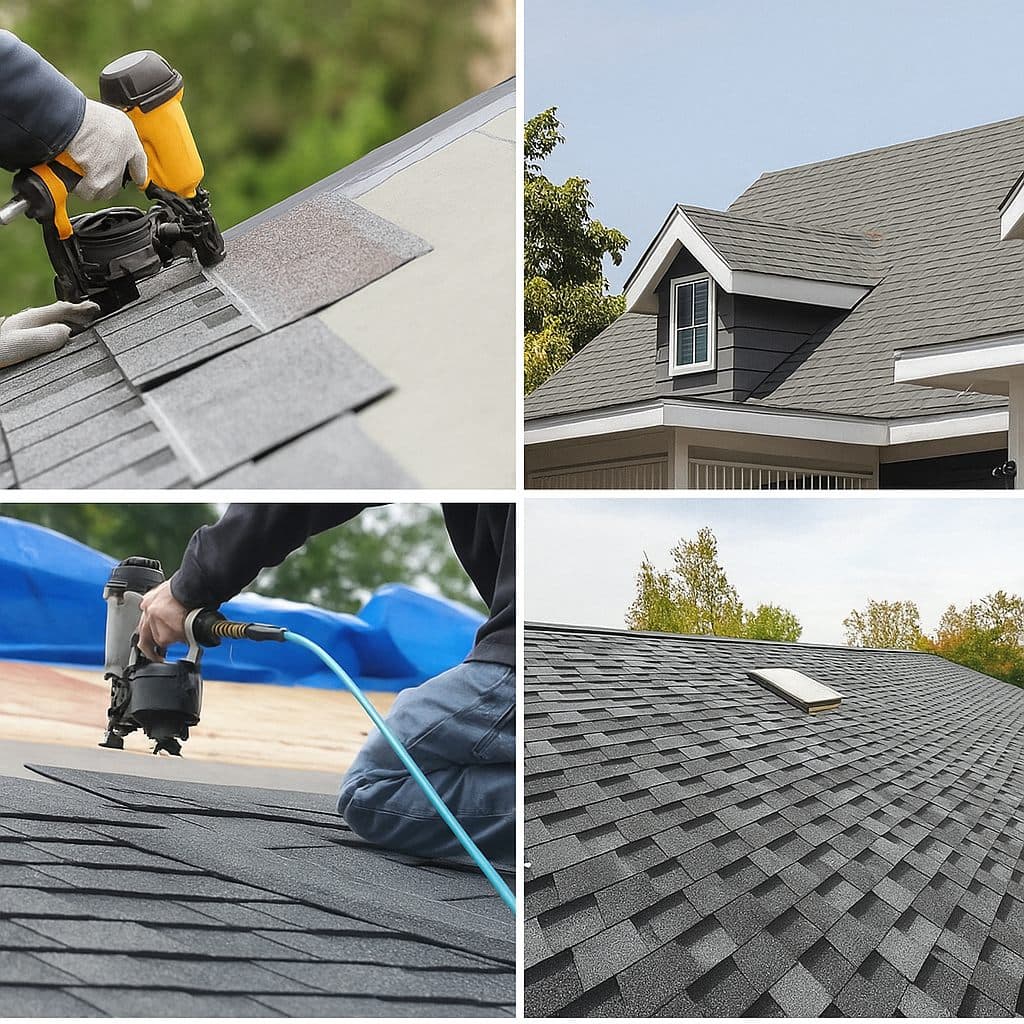
Manufactured and mobile homes need roofing decisions that fit the structure, roof slope, existing material, and drainage pattern. A replacement should never be treated like a one-size-fits-all project.
Some manufactured homes have shingle roofs. Others use metal, low-slope materials, coatings, or previous overlay work. Before recommending roof replacement, ATM Roofing Solutions looks at the actual roof system and explains what makes sense for the home.
When Replacement May Be Needed
A manufactured home roof may need replacement when problems are widespread, repairs keep returning, or the existing roof has reached the end of its useful life. Warning signs include recurring leaks, soft decking, widespread storm damage, separated seams, failing coatings, missing shingles, rusted metal panels, or ventilation problems that have aged the roof from underneath.
If the issue is small and isolated, a targeted roof repair may still be the better answer. A clear inspection should separate urgent problems from items that can be monitored.
Roof Type Matters
Manufactured homes can have different roof designs, so the material choice depends on the home. Shingles may work well on a pitched roof with proper decking and ventilation. Metal or coating systems may be considered for certain low-slope or existing metal roofs. The details matter more than the label.
A good manufactured home roofing estimate should explain the proposed material, underlayment, flashing, roof edges, ventilation, and how water will move off the roof.
What an Inspection Should Check First
Before replacing a roof, the inspection should look beyond the surface. The goal is to understand why the old roof is failing and make sure the new system solves the right problem.
- Existing roof material and number of layers
- Roof slope and drainage direction
- Decking condition and soft spots
- Vents, pipe boots, skylights, and roof penetrations
- Flashing at edges, walls, and transitions
- Signs of leaks inside the home or attic space
This is especially important after hail or wind. A hail damage roof inspection can help identify whether damage is cosmetic, repairable, or severe enough to consider replacement.
Storm Damage and Insurance Documentation
Manufactured homes in Central Texas can take a hard hit from hail, high winds, and wind-driven rain. Damage may show up as cracked vents, punctured roof coverings, lifted seams, bruised shingles, torn flashing, or interior stains.
If a storm caused the damage, documentation is important. ATM Roofing Solutions can help with photos and scope notes for insurance claim roofing conversations, while your insurance carrier decides coverage based on your policy.
Preparing for the Project
Before work begins, homeowners should understand the scope, schedule, material choice, cleanup process, and what happens if damaged decking is found. Clear communication is especially helpful in manufactured home communities where parking, access, and neighbor spacing may affect the work day.
We recommend moving vehicles away from the work area, securing fragile wall decor inside the home, and making sure pets and family members have a safe plan during installation.
Local Help for Manufactured Home Communities
ATM Roofing Solutions helps manufactured and mobile homeowners across the Austin area, including communities near Round Rock, Georgetown, Cedar Park, Leander, Pflugerville, Austin, Buda, Kyle, and San Marcos.
If you are not sure whether your manufactured home needs repair, coating, or replacement, start with a professional roof inspection. We will explain what we see and help you make a practical next decision.
Call us at (737)-237-8060
Or request a free manufactured home roof inspection.