

After a Central Texas hailstorm or high-wind event, homeowners often ask whether they should file a roof insurance claim. The honest answer is: first find out what happened, then compare the documented damage with your policy and deductible. A claim can make sense when a covered storm caused meaningful damage. A targeted repair may make more sense when the problem is isolated, caused by wear and tear, or costs less than the applicable deductible.
This guide explains the roofing side of that decision. Your insurance policy controls coverage, and your insurance carrier decides whether a loss is covered and how much it will pay. A professional roof inspection can document visible conditions, but it cannot guarantee claim approval.
Start With Safety and Temporary Protection
Do not climb onto a storm-damaged roof. Wet shingles, loose materials, hidden openings, and soft decking can make the surface unsafe. Take ground-level photos and video if you can do so safely, note the storm date and approximate time, and save any weather alerts or hail photos that help establish what occurred.
If water is entering the home, move valuables, contain the water, and arrange temporary protection. Keep photos and receipts for tarps or other emergency work. The Texas Department of Insurance hail and wind guidance recommends preventing additional damage while preserving evidence for the carrier. Avoid permanent repairs until the carrier has had a reasonable opportunity to inspect, unless delaying would create a safety hazard or allow more damage.
What Hail and Wind Damage Can Look Like on a Roof
Wind damage is not limited to a shingle that has blown into the yard. Strong wind can lift or crease shingles, break seal strips, loosen ridge caps, damage flashing, pull at roof edges, or drive debris into roofing materials. Hail can bruise or fracture shingles, remove protective granules, dent vents and soft metals, crack accessories, and damage gutters or skylights.
- Missing, lifted, folded, or creased shingles
- Newly exposed fasteners or damaged ridge and hip caps
- Dents or impact marks on vents, gutters, flashing, and other roof metals
- Cracked pipe boots, vents, skylights, or roof accessories
- Tree-limb impact, displaced materials, or debris punctures
- New ceiling stains, attic moisture, or water entry after the storm
Some storm indicators are difficult to evaluate from the ground, and not every mark is functional storm damage. A storm damage roof inspection should separate visible hail or wind indicators from age, installation issues, and routine maintenance.
Should You File a Claim or Pay for a Repair?
Before filing, find the wind and hail deductible on your declarations page and ask your agent or carrier which deductible applies. A deductible may be a flat dollar amount or a percentage of the dwelling coverage limit. Compare that amount with a written roofing estimate and the extent of the damage. If covered damage is below the deductible, the carrier may close the claim without payment.
A claim may be reasonable to discuss with the carrier when damage is widespread, several roof components are affected, water entered after the storm, or the likely covered repair cost is materially higher than the deductible. A direct repair may be more practical when the issue is small, maintenance-related, or below the deductible. Examples can include one failed pipe boot, isolated flashing work, a few age-related nail pops, or a minor repair unrelated to the storm.
The decision belongs to the homeowner. Ask the carrier or agent how a claim could affect your policy, and never work with a contractor who offers to waive, absorb, or rebate the deductible. TDI explains that waiving a property insurance deductible is illegal in Texas.
Check Whether Your Roof Is Covered at ACV or RCV
Two policies can respond very differently to the same roof damage. Replacement cost value, commonly called RCV, generally uses the current cost to repair or replace covered property, subject to the deductible, policy limit, and policy terms. Actual cash value, or ACV, subtracts depreciation for age and condition. An older roof insured at ACV can leave the homeowner with substantially more out-of-pocket cost.
With replacement cost coverage, many carriers first issue an ACV payment after subtracting the deductible and depreciation. The carrier may release recoverable depreciation after covered repairs are completed and the required invoices are submitted. Deadlines and documentation requirements vary, so confirm them with the adjuster before work begins. TDI's roof insurance overview and Texas home insurance guide explain the basic ACV, RCV, depreciation, and deductible differences.
How to Document and File a Roof Insurance Claim
If you decide to file, contact the insurance carrier using the claim number or reporting method shown on your policy. The homeowner files the claim; a roofer should not file it for you. Give the carrier accurate information without guessing about coverage or promising a cause that has not been established.
- Record the event. Note the date, approximate time, wind or hail observations, and when you first noticed damage or leaking.
- Photograph visible conditions. Capture exterior and interior damage from safe locations before temporary work changes the scene.
- Prevent additional damage. Arrange reasonable temporary protection and keep every receipt.
- Request a roof inspection. Ask for clear photos, roof areas checked, visible damage, and a repair or replacement estimate.
- Report the claim promptly. Keep the claim number, adjuster's contact information, and copies of everything sent to the carrier.
- Attend the adjuster inspection. Make sure the adjuster can access the reported damage. A roofer may attend to discuss roofing measurements, materials, estimates, and technical conditions.
Coverage Exclusions and Filing Deadlines Matter
Most policies do not pay for a roof simply because it is old or worn. Coverage can also be limited by exclusions, endorsements, roof age, or separate wind and hail terms. Texas coastal policies can work differently from policies in the Austin area. Read the declarations page, endorsements, and deductible section, then ask the carrier or agent to explain anything unclear.
There is not one universal filing deadline for every Texas roof claim. TDI says most companies have claim-reporting deadlines, some policies use a one-year deadline unless good cause exists, and TWIA wind and hail claims generally have a one-year deadline from the date of damage. Report suspected damage promptly and verify the exact deadline in your own policy rather than relying on a general rule.
What Happens After You File
The carrier will assign a claim number and may request photos, a proof-of-loss form, estimates, or other information. An insurance adjuster evaluates the claim for the carrier, applies the policy, and estimates covered damage. Keep a dated communication log and respond promptly to reasonable information requests.
Texas claim-handling deadlines have exceptions, but the current TDI guidance says a carrier generally has 15 business days to tell you it received the claim, then 15 business days after receiving the information it needs to decide whether it will pay. A denial must be explained in writing, and a carrier that needs more time may take up to 45 additional days if it explains the delay. Large disasters, TWIA, and some policy types can follow different timelines, so use the current TDI claim-deadline guidance for context and ask the carrier which rules apply.
Low Estimates, Supplements, and Denied Claims
If the carrier's estimate leaves out documented roofing work or previously hidden damage is found during an approved repair, send the adjuster the contractor's itemized estimate, photos, measurements, invoices, or change documentation. Contractors sometimes call this a supplement, but it is a documented request for the carrier to review added scope or cost, not a promise of additional payment. The carrier still decides coverage and payment.
If a claim is denied, ask for the reason in writing and compare it with the policy language and inspection evidence. TDI advises homeowners who believe more should be paid to explain why and send supporting documents, such as a contractor estimate. Depending on the dispute, options may include speaking with the carrier, using an appraisal provision for an amount-of-loss disagreement, consulting a licensed public insurance adjuster, filing a complaint with TDI, or seeking legal advice. Appraisal generally addresses the amount of loss, not whether the policy covers the loss. See TDI's guidance on denied or unpaid home claims.
Know the Roles: Homeowner, Roofer, Carrier, and Public Adjuster
- The homeowner reports the claim, provides accurate information, chooses the contractor, and pays the deductible.
- The insurance carrier and its adjuster investigate the loss, interpret the policy, decide coverage, and determine payment.
- The roofing contractor inspects roofing conditions, documents visible damage, prepares an estimate, explains technical scope, and completes contracted work.
- A licensed public insurance adjuster may represent a policyholder in negotiating a claim, subject to Texas licensing and conflict-of-interest rules.
Texas does not allow a roofer who may perform the work to act as the public adjuster on that same property. ATM Roofing Solutions does not file claims, interpret coverage, negotiate settlements, or promise what an insurer will pay. We provide roofing inspection and insurance-documentation support, discuss estimates and technical roofing details when appropriate, and let the carrier make coverage decisions.
Get Clear Roofing Information Before You Decide
If hail or strong wind affected your home in the Austin area, a documented inspection can help you understand whether the roof shows storm damage, an isolated repair need, or normal wear. If a repair is the right answer, we will say that. If damage is widespread, we will explain the roofing scope and material options without promising insurance coverage.
Call us at (737)-237-8060
Or request a free storm damage inspection online.
Documented Roof Repair Example
Existing ATM project photography from a targeted shingle repair in Buda shows the roof condition before work and after damaged materials were replaced.
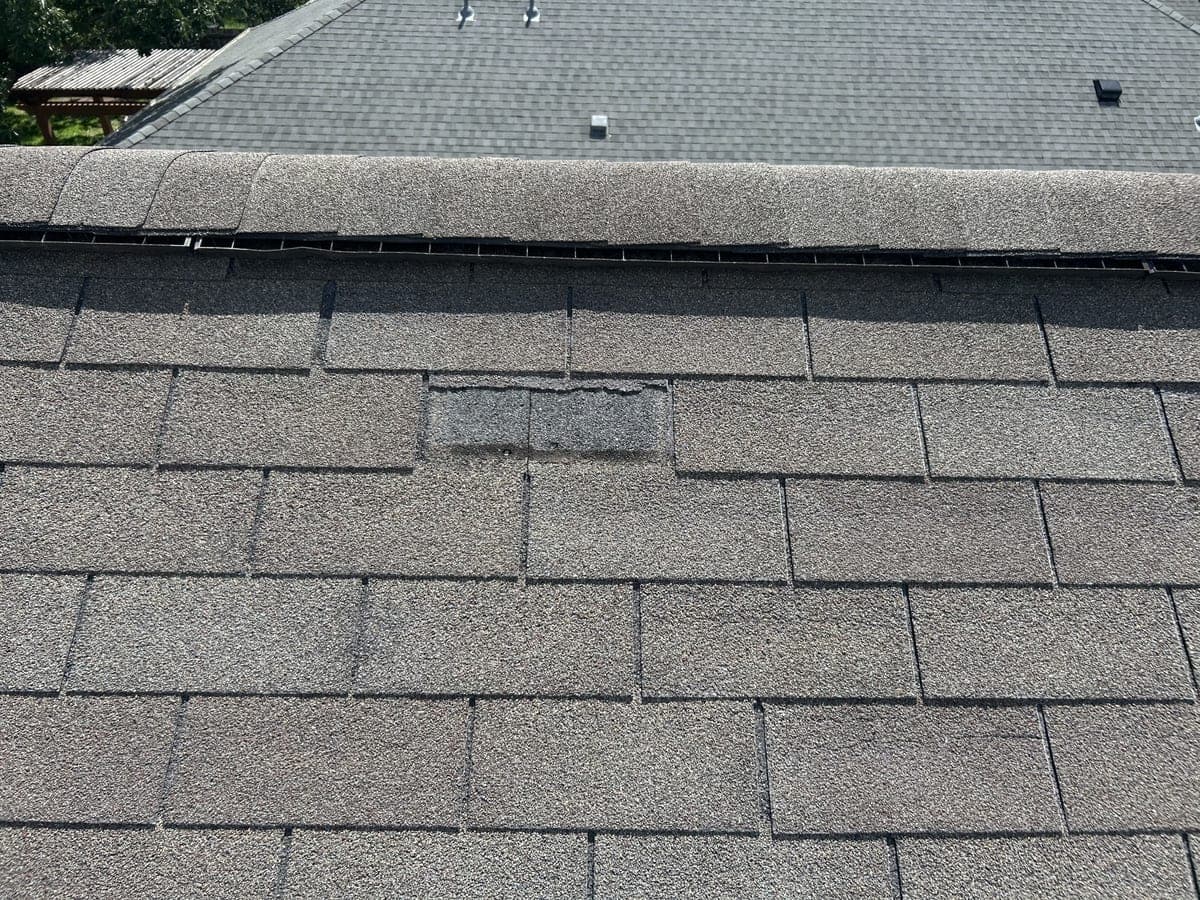
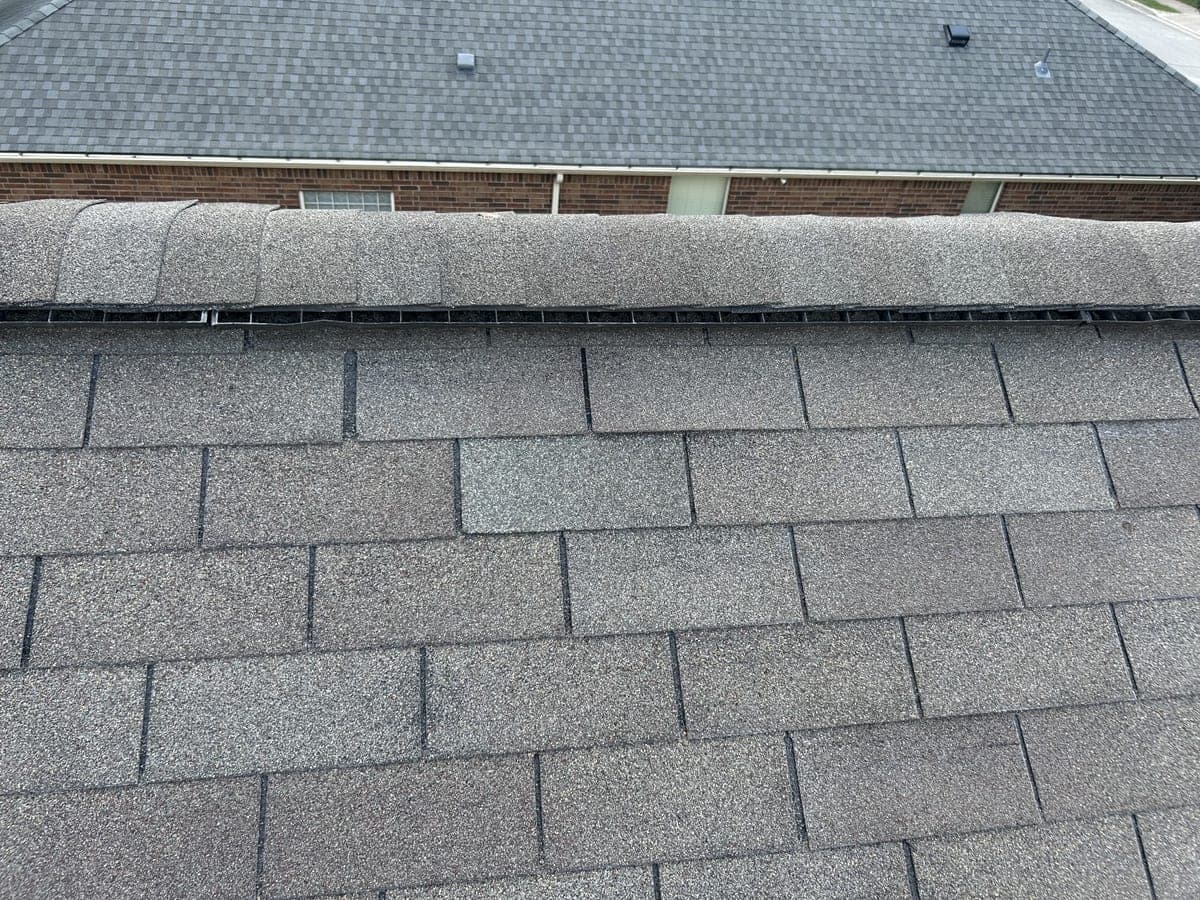
This project is shown to demonstrate clear roof-condition documentation only. It is not presented as an insurance claim or as hail or wind damage.
Roof Insurance Claim FAQs
Does homeowners insurance cover wind damage to a roof in Texas?
Many Texas home policies cover sudden wind and hail damage, but the policy controls. Coverage can vary because of exclusions, endorsements, roof age, deductibles, and coastal windstorm arrangements. Check the declarations page and endorsements, then ask your carrier or agent to confirm the coverage that applies to your home.
Should I file a roof insurance claim for wind damage?
First document the roof condition and compare a written repair estimate with the wind and hail deductible. Filing may make sense when a covered storm caused meaningful damage that is materially above the deductible. A direct repair may be more practical when the issue is isolated, maintenance-related, or below the deductible. The homeowner makes the filing decision, and the carrier decides coverage.
What does wind damage look like on a roof?
Possible signs include missing, lifted, folded, or creased shingles; broken seal strips; displaced ridge caps; damaged flashing or roof edges; debris impact; and new leaking after the storm. Some conditions are hard to confirm from the ground, so use a professional inspection instead of climbing onto the roof.
How long do I have to file a roof insurance claim in Texas?
There is no single deadline for every policy. TDI says most companies set claim-reporting deadlines, some policies use a one-year deadline unless good cause exists, and TWIA wind and hail claims generally have a one-year deadline from the date of damage. Report damage promptly and verify the exact deadline in your policy with the carrier.
Why is my replacement cost roof claim paid in two checks?
With replacement cost coverage, many carriers first pay the estimated covered repair cost minus the deductible and depreciation. They may release recoverable depreciation after the work is completed and required invoices are submitted. Your policy, repair deadline, and carrier requirements determine the actual payment process.
What can I do if my roof claim is denied or the estimate is too low?
Ask the carrier for its reason in writing and send supporting photos, measurements, and an itemized contractor estimate. If the disagreement remains, options may include discussing it with the carrier, using appraisal for an amount-of-loss dispute if the policy allows, consulting a licensed public adjuster, filing a complaint with TDI, or seeking legal advice. A roofer can explain technical scope but cannot act as your public adjuster while also doing the work.
Official Sources
Insurance policies and Texas guidance can change. Use these primary sources and your own policy for current information.
- Insurance and your roof: What to know when buying a policy or filing a claim - Texas Department of Insurance
- Home insurance guide - Texas Department of Insurance
- Hail damage to your home or car? What to do next - Texas Department of Insurance
- Insurance companies must meet deadlines to respond to Texas claims - Texas Department of Insurance
- Roofing and insurance: Know the law - Texas Department of Insurance
- Why would my home insurance claim be denied or not paid? - Texas Department of Insurance